Cut Emergency Calls by 50%
Transform your maintenance intake with proactive troubleshooting and response. Latchel answers resident calls in 60 seconds and de-escalates up to 50% of emergencies to supercharge your team’s effectiveness.
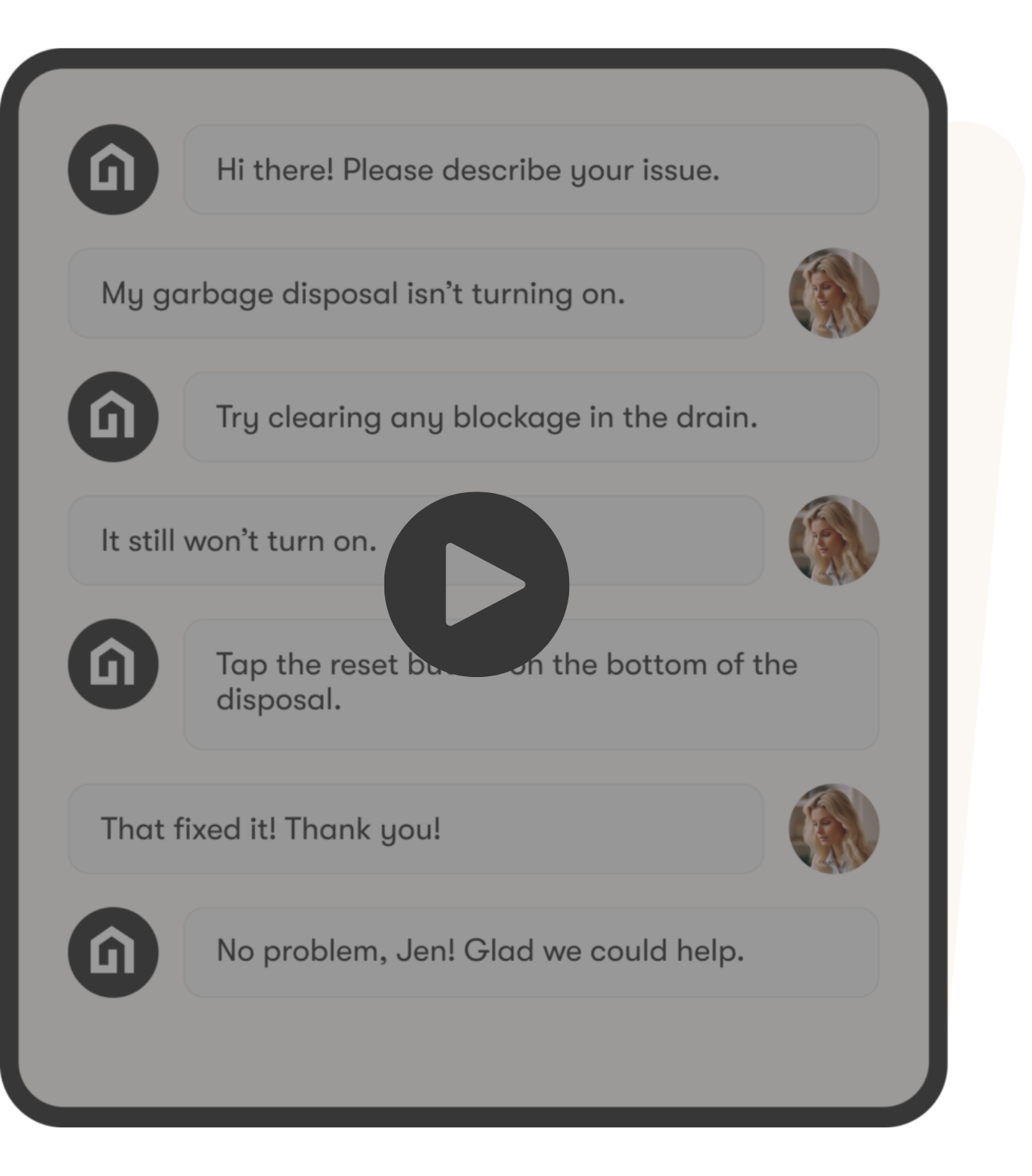
Level Up Your Maintenance Call Center
With Latchel’s proactive troubleshooting, you 10x your maintenance results for the same price as a traditional call center. Reduce work order volume by up to 30%, reduce emergency dispatching by up to 50%, and improve team retention at the same time.
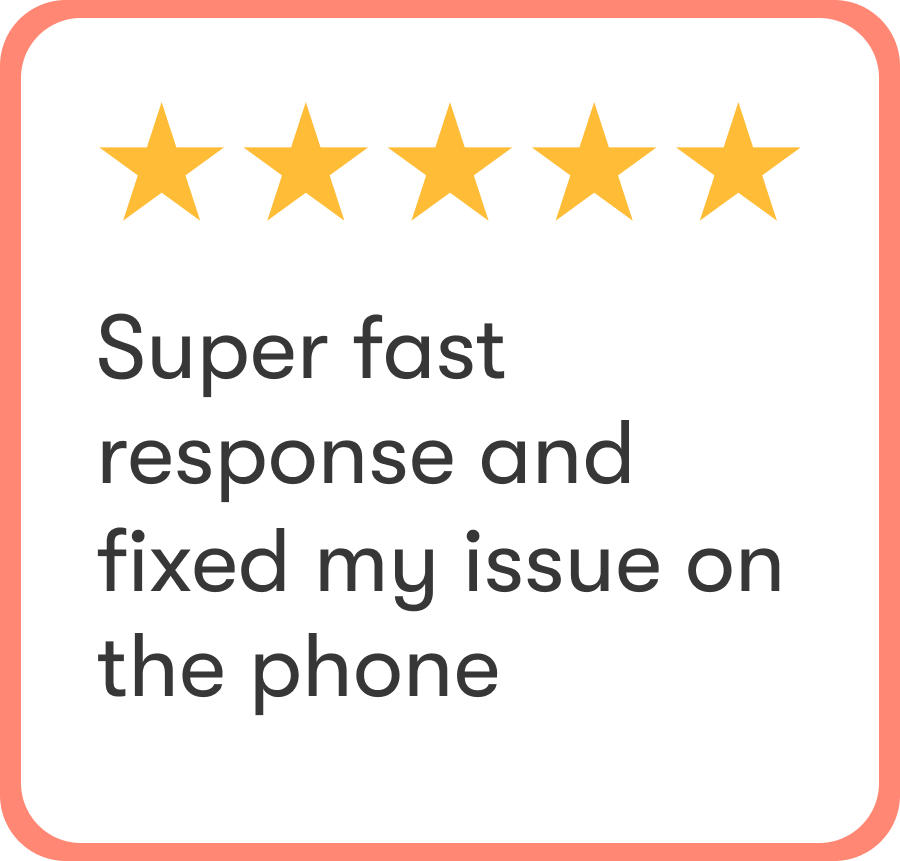
5-Star Resident Experience
By focusing on speed to respond and empathetic support, you get 10x more 5-star reviews.
Learn More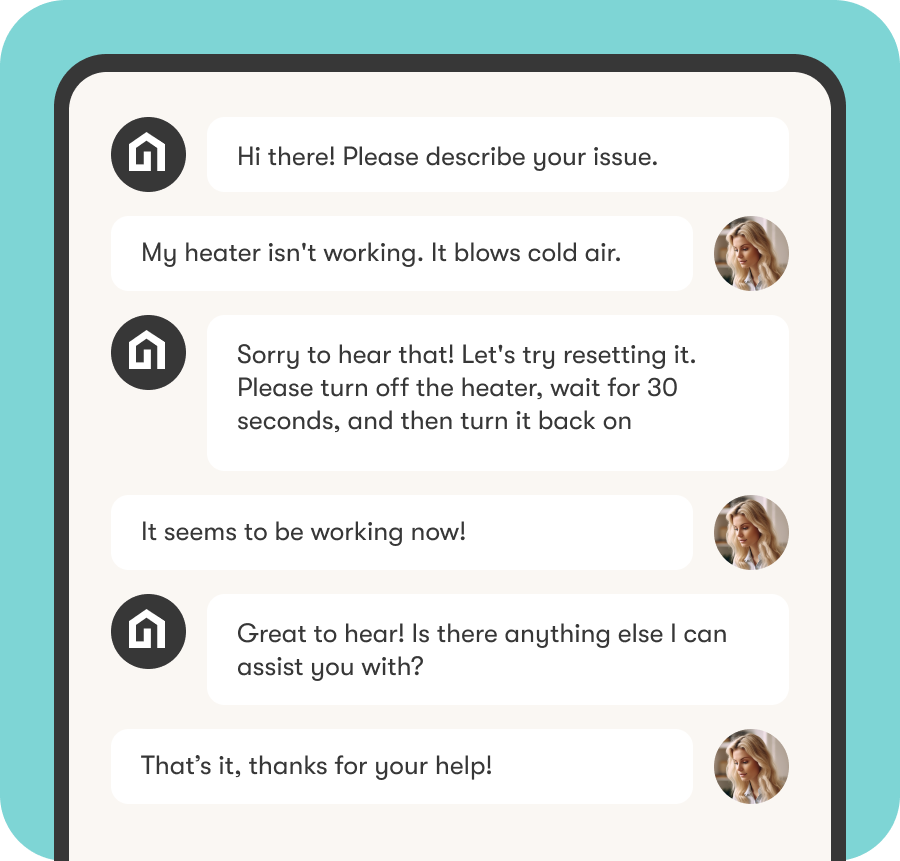
Reduce Maintenance Costs
Eliminate 30% of total volume and 50% of emergencies, saving your team time and money.
Learn More
Happier, Motivated Teams
Prevent burnout and retain the best talent by eliminating after hours on-call duties.
Learn MoreOperational Excellence
Make Latchel your frontline for all maintenance requests to drive greater efficiencies, increase centralization, and reduce overall business expenses.
Learn More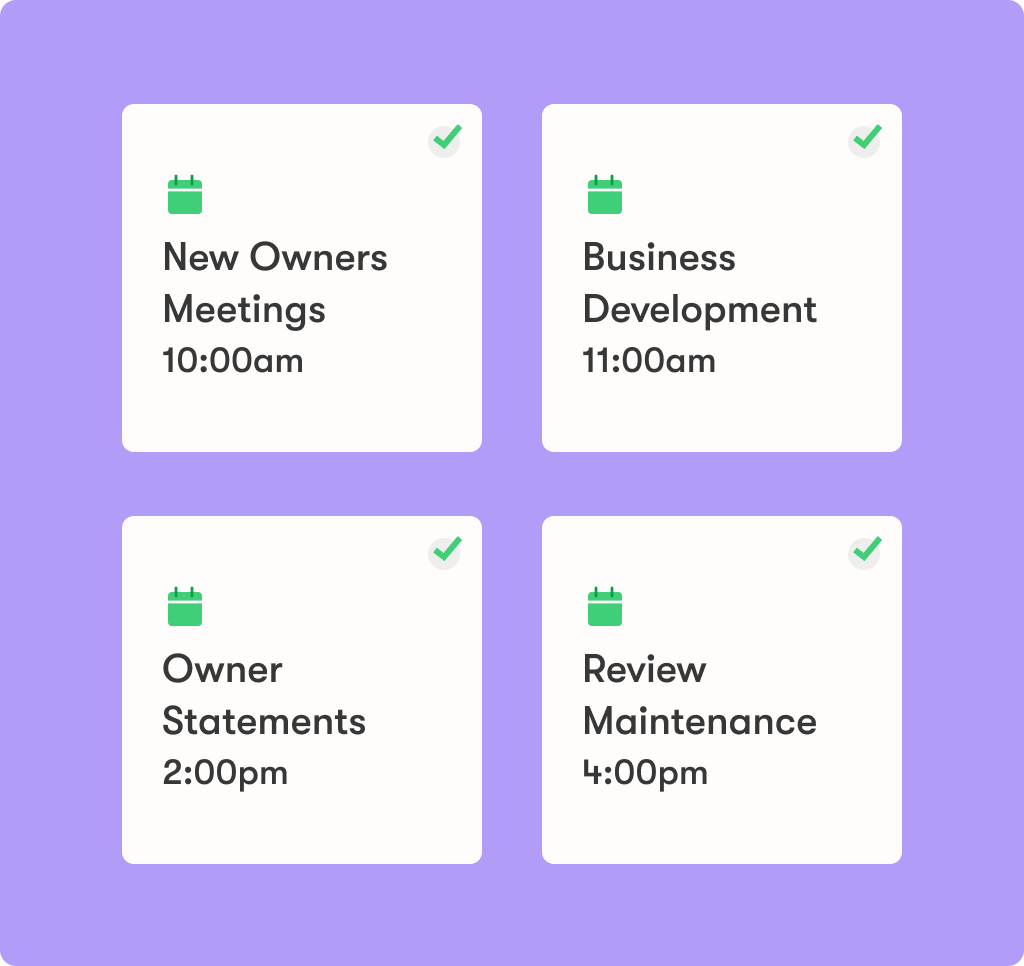
Fix Issues Up Front
Drive the best outcomes for you and your owners by using expert troubleshooters to fix maintenance problems before a dispatch is needed.
Learn More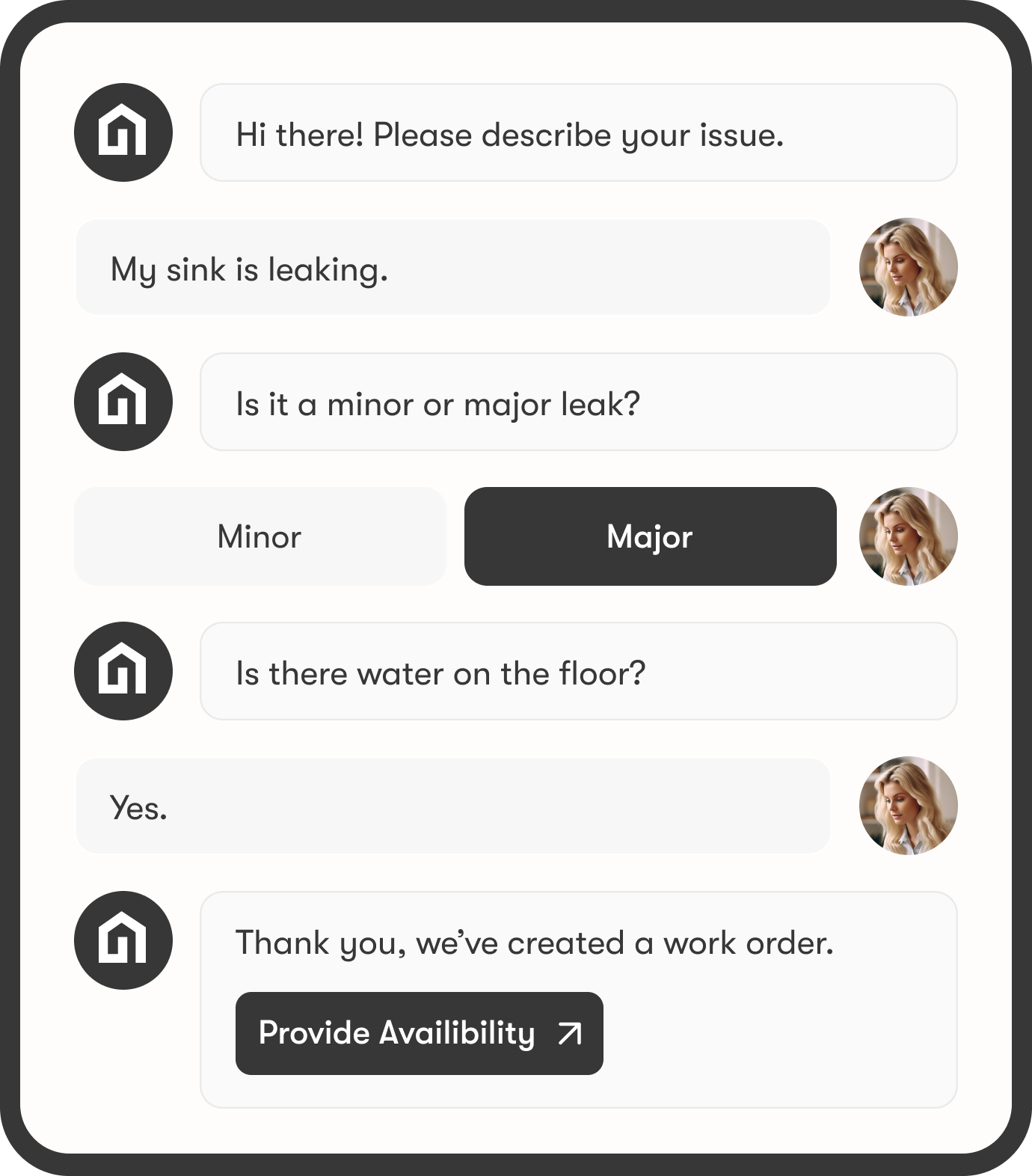
Better Emergency Verification
Too many of your work orders get treated like an emergency even though they’re not. By automating weather verification and emergency rule checks, you get the truest emergency response possible in Latchel.
Get a Demo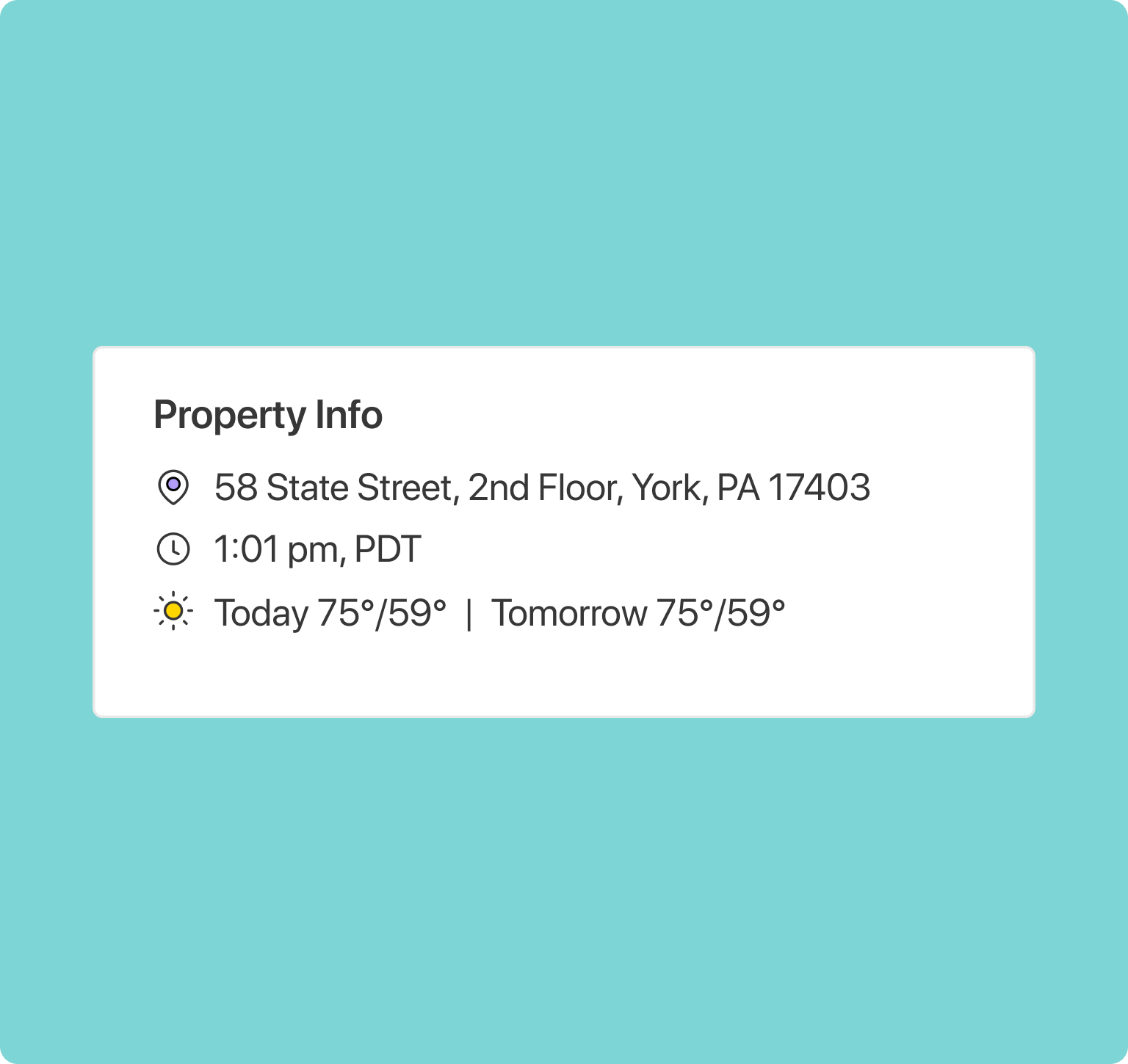
Smart Dispatching
The time for passing around a bat-phone and crossing your fingers is over. Build smarter dispatching rules right in Latchel to improve maintenance efficiency.
Learn More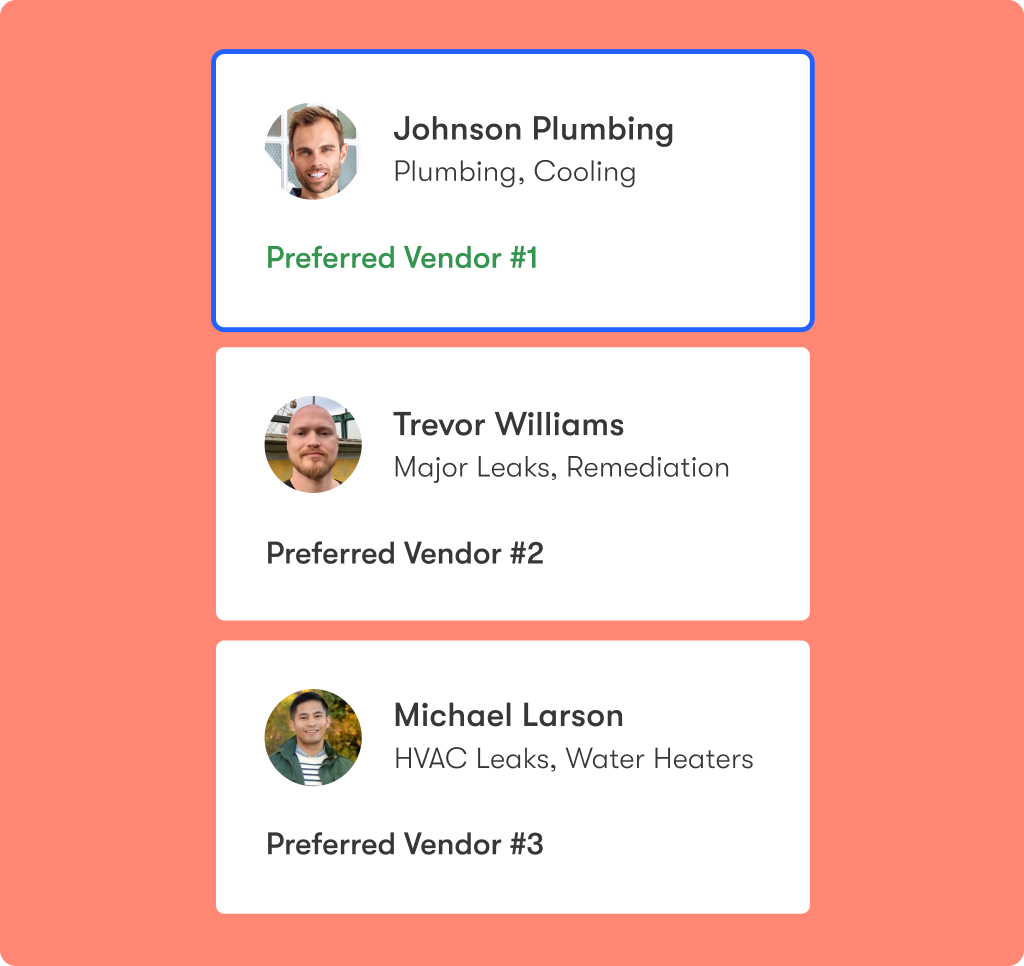
FAQ: 24/7 Emergency Support
What is a reasonable emergency response time for property management?
Property managers typically use a combination of automated phone trees, 24/7 third-party call centers, or AI-driven intake platforms to filter requests. These systems distinguish between "true" emergencies (like a burst pipe) and non-emergencies (like a dripping faucet), immediately routing urgent issues to an on-call technician or a pre-approved emergency vendor while deferring minor repairs to the next business day.
Property managers can reduce after-hours emergencies by 48% and resolve many without dispatch using Latchel’s AI-guided troubleshooting and on-demand human experts.
How do property managers handle after-hours maintenance emergencies?
Yes. Maintenance emergencies do not stop for holidays, and most lease agreements or local habitability laws require managers to address "threat to life or property" issues (like a burst pipe or lack of heat in winter) regardless of the date. Failing to provide coverage can lead to significant property damage or legal liability.
Latchel offers 24/7 support with AI and human experts who can address resident emergencies, suggesting coverage may be beneficial.
Should property managers offer holiday emergency maintenance coverage?
While specific guidance on holiday coverage isn't provided, offering 24/7 support with AI and human experts can address resident emergencies, suggesting coverage may be beneficial.
How do property managers determine what qualifies as a maintenance emergency?
Managers define emergencies as situations that threaten resident safety, health, or the structural integrity of the building. Standard examples include active flooding, total heat loss at freezing temperatures, gas leaks, electrical sparking, or a broken front door lock that compromises security. Latchel uses custom AI to tailor solutions and de-escalate 48% of critical issues, using the property managers' specific emergency definitions. While Latchel’s default settings work for 95% of property management companies, many brokers like adding unique emergency definitions for specific properties or owner rules.
What visibility do property managers need for emergency work orders?
Managers need real-time visibility, including immediate mobile notifications when an emergency is reported, status updates, "before and after" photos uploaded from the site, and a digital timestamp of when the issue was stabilized.
With Latchel, property managers and technicians have full access to photos, videos, and troubleshooting transcripts, enhancing visibility and preventing repeat visits or delayed scheduling.
How do property managers maintain oversight of after-hours maintenance?
Oversight is maintained through automated logging systems that record every call or digital request. Managers review these logs the following morning to ensure the on-call technician followed SOPs, stayed within budget, and provided the resident with a clear plan for any necessary follow-up repairs.
Latchel’s combo of AI and human support ensures oversight with automated processes and instant support to effectively manage and resolve issues.
What should the tenant experience be for late-night maintenance emergencies?
The experience should be calm and transparent. Tenants should have a single, easy-to-find contact method, receive an immediate confirmation that their request was received, and get an estimated arrival time for a technician so they aren't left waiting in the dark or in a flooded unit.
Latchel aims to provide a smooth tenant experience by offering instant access to AI and human support, reducing wait times, and resolving issues quickly.
How do property managers communicate emergency procedures to residents?
Procedures are typically outlined in the lease agreement, posted in a digital resident portal, and included in a "Welcome Home" packet. Many managers also include a dedicated "Emergency Maintenance" button on their website and post physical signage in common areas like laundry rooms or lobbies.
How do property managers find backup vendors for emergencies?
Managers build a "preferred vendor" list and often contract with 24/7 restoration companies or specialized emergency plumbing and HVAC firms. They vet these backups in advance for insurance, licensing, and their ability to guarantee a response time during peak hours or holidays.
In Latchel, property managers have the ability to build dispatch rules with smart on-call calendars, and prioritize preferred vendors or in-house technicians, which can help manage vendor backup strategies.
What happens when residents dispute emergency maintenance handling?
Disputes are typically handled by reviewing the digital audit trail, which may include call history, timestamps, work order updates, and technician notes. If a manager finds a service failure, they may offer a rent credit or a formal apology. If the tenant was at fault, such as reporting a false emergency, the manager may bill the service call fee back to the resident.
Latchel helps property managers resolve these disputes faster by creating better documentation at the very start of the maintenance request. Latchel’s AI-guided troubleshooting collects detailed issue information, photos, videos, and troubleshooting transcripts before dispatch. If the issue escalates, managers can review what the resident reported, what steps were taken, and when the issue was categorized or escalated. That added transparency helps teams make fair, consistent decisions and reduces confusion when emergency handling is questioned.
What KPIs should property managers track for emergency maintenance?
Essential KPIs include Average Time to Acknowledge, Mean Time to Dispatch, and Time to Stabilize. These metrics show how quickly your team responds, how fast help is sent, and how efficiently the immediate risk is contained.
Latchel can help improve and monitor these KPIs by speeding up maintenance intake with AI-guided troubleshooting and making human experts available in just 15 seconds when additional support is needed. Because Latchel resolves 23% of maintenance tickets at intake and de-escalates 48% of critical issues to prevent overtime dispatching, property managers can reduce unnecessary emergency vendor callouts while still responding quickly to true emergencies. This gives operators a clearer picture of response speed, dispatch efficiency, and emergency prevention performance.
What metrics indicate successful emergency maintenance management?
Success is indicated by a low callback rate, high resident satisfaction scores for emergency events, and a cost per emergency that stays within a predictable annual budget despite the premium rates of after-hours labor.
Latchel helps improve these outcomes by gathering better information up front through AI-guided troubleshooting, including photos, videos, and detailed issue summaries, so technicians and vendors are better prepared before arriving on site. That can help reduce repeat visits and improve emergency resolution quality. Latchel also helps control emergency costs by eliminating 48% of after-hours emergencies and resolving 23% of work orders without dispatching. On the resident experience side, property managers using Latchel average 4.8 out of 5 stars in resident reviews, showing how faster response times and better communication can improve satisfaction during stressful maintenance events.
Related capabilities
Maintenance Intake
Every request troubleshot at intake and tagged with an accurate repair problem.
Learn MoreCommunication Tools
Text, email, phone and video for one work order, kept on one searchable record.
Learn MoreDispatch & Scheduling
Your preferred techs, scheduled in about 15 minutes, on rules you set once.
Learn MoreFrontline 24/7
The AI front line that answers every call, text and portal message, with experts behind it.
Property management answering service