Simplify Invoice Collection
Get invoices submitted quickly without hassling your vendors so you can streamline your accounting. Give vendors automated reminders and an easy way to take before/after pics.
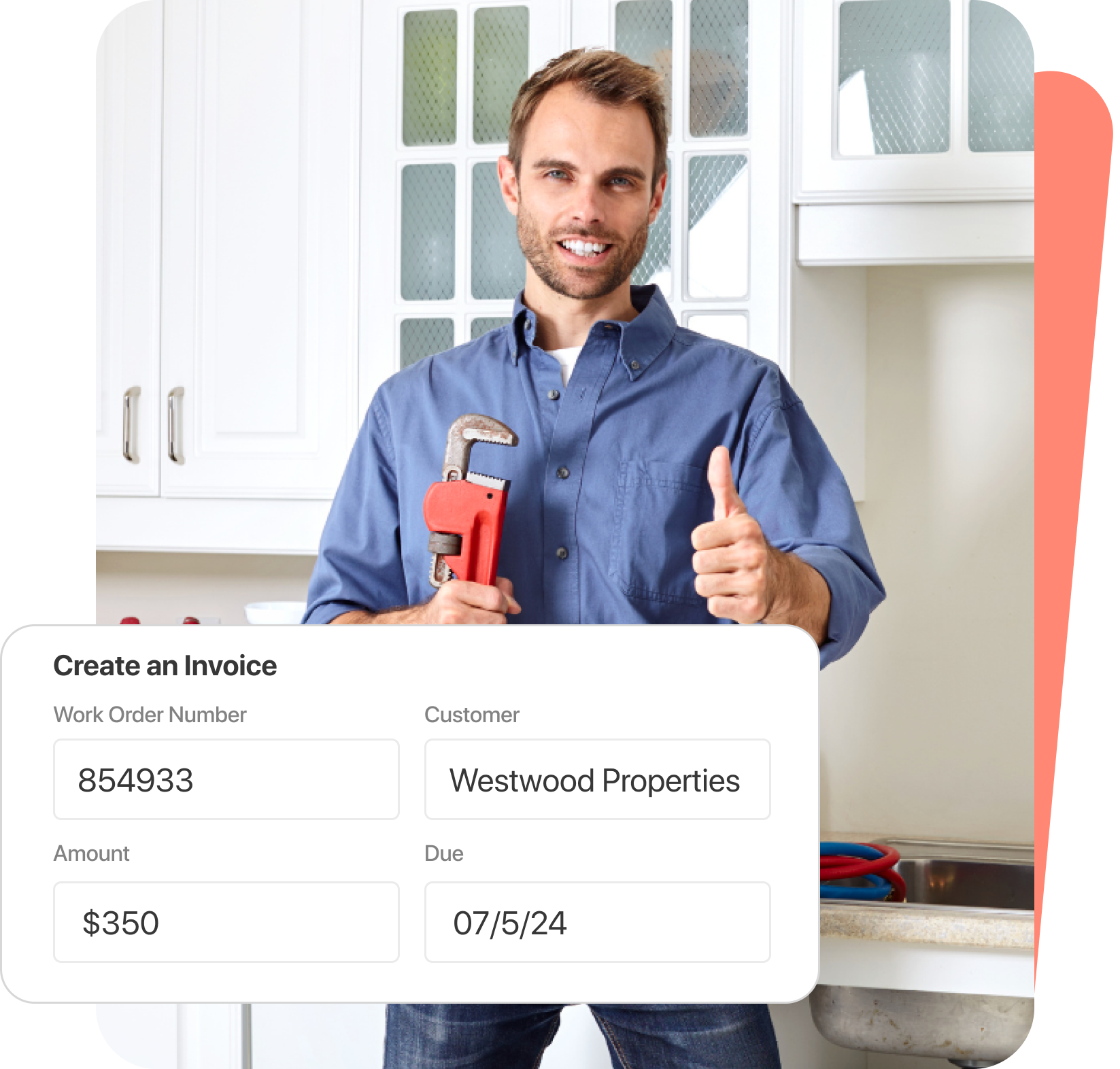
End-to-End Automation
By streamlining the invoice collection process, you streamline your accounting team’s workflow. You can even simplify further by automating budgets and payments on Latchel.
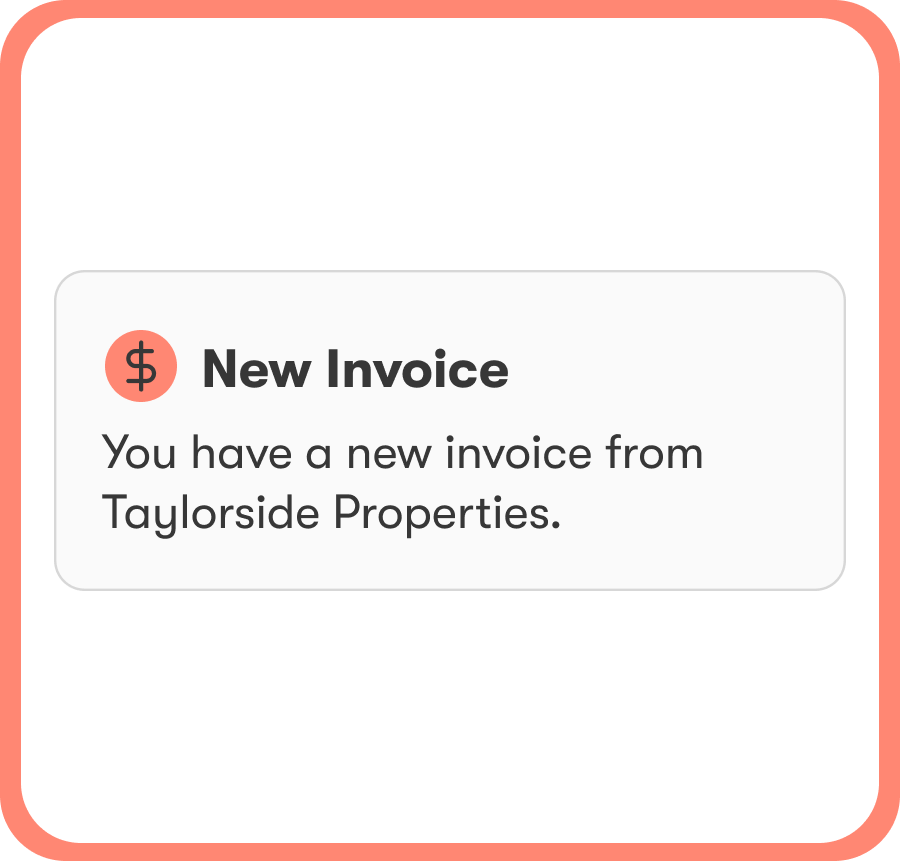
Invoice Alerts
Easily forward invoices to a special accounting team email or send them to your management team for a first review.
Learn More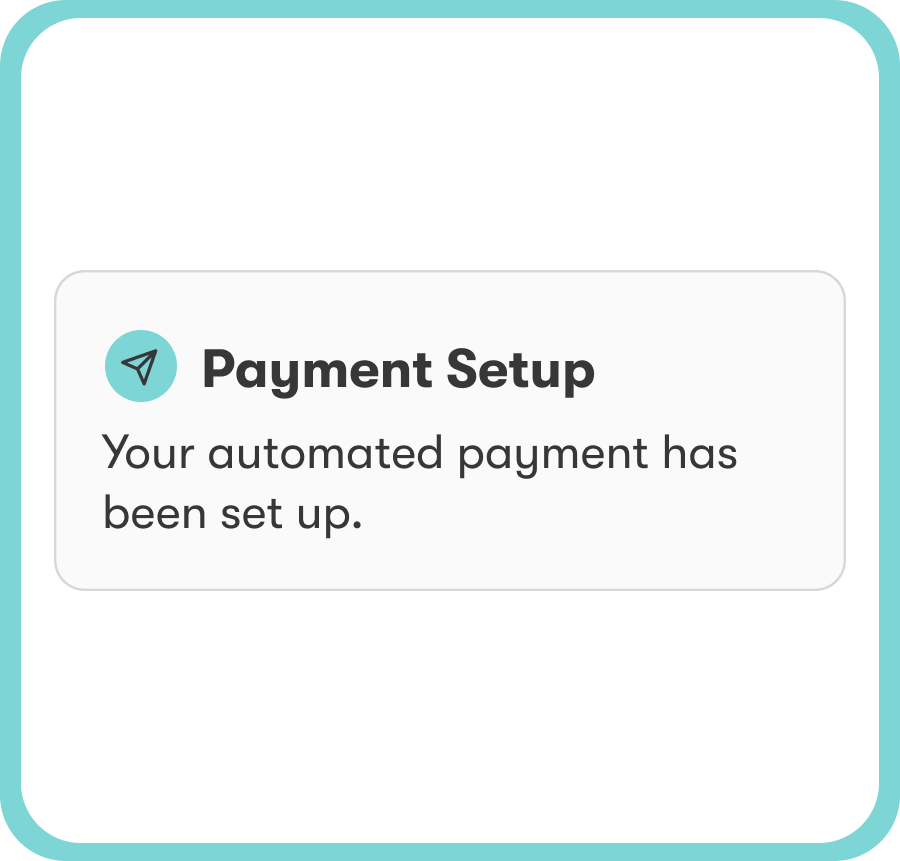
Automate Payments
Automate your entire vendor payments flow on Latchel and generate statements on your PMS to streamline accounting.
Learn More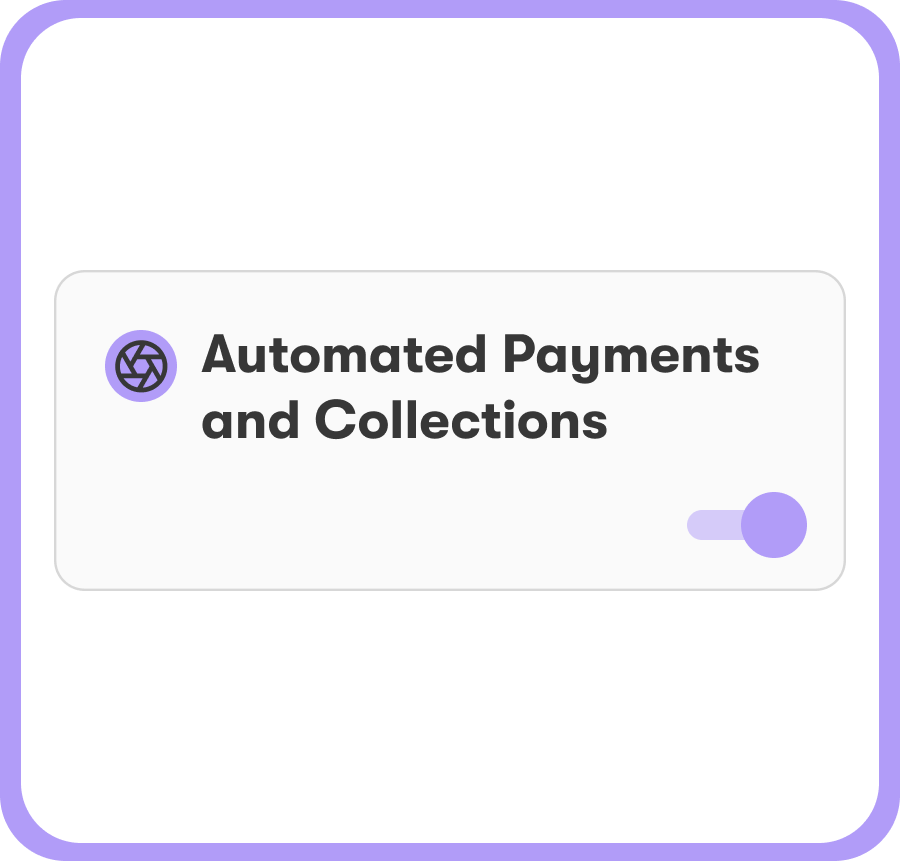
Complete Flexibility
Want to turn off invoice collection and payments? No problem. Latchel meets your team where they are.
Learn MoreInvoice Reporting
View your submitted invoices and all payments made through Latchel from a single screen making it easy for your accounting team to reconcile statements.
Get a Demo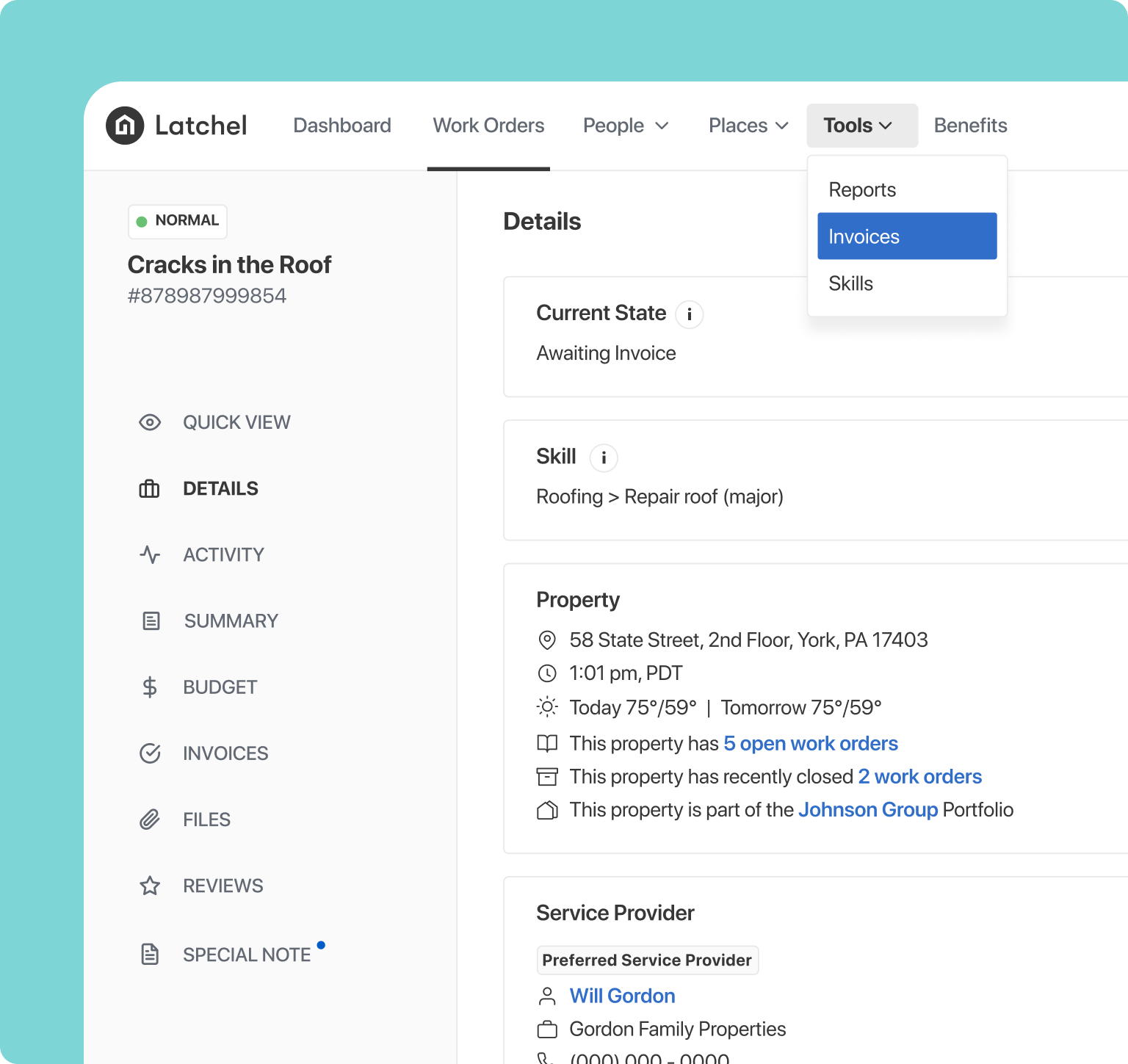
Automated Payments
You can save hours on your AP process and massively improve your vendor loyalty by managing your vendor payments in Latchel. Vendors get paid instantly when submitting an invoice and you get to pay for invoices by credit card to rack up points.
Get a Demo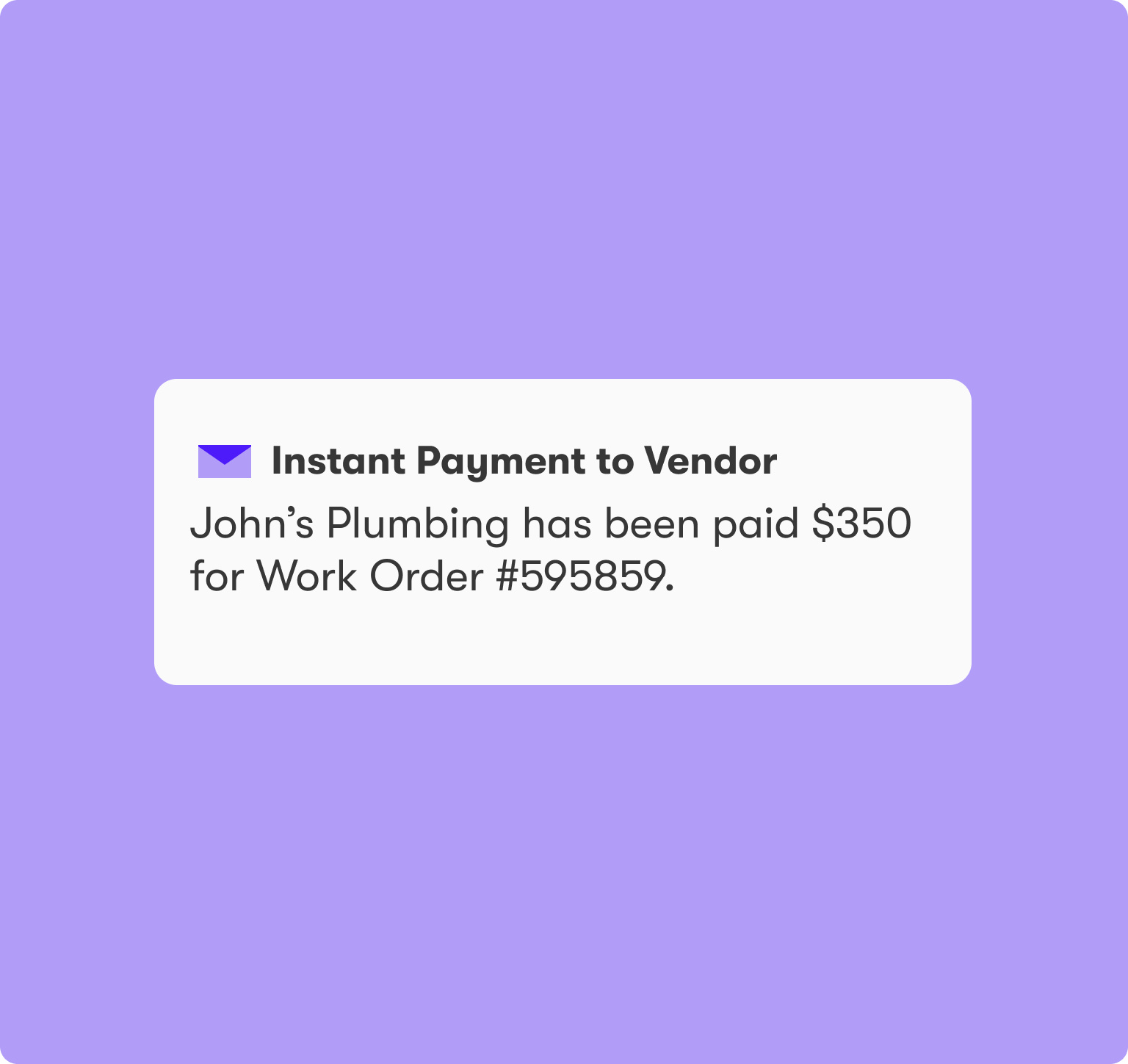
FAQ: Invoicing and Payments
How can property managers automate invoice collection from vendors?
Property managers can automate vendor invoice collection by using a maintenance platform that prompts contractors to upload invoices as soon as a work order is marked complete. In many systems, vendors submit invoices through a portal or mobile workflow, which helps reduce missing paperwork, speeds up billing, and keeps maintenance expenses tied to the correct job.
Latchel helps property managers automate invoice collection through its Full Lifecycle Software, which tracks the maintenance process from intake through dispatch, completion, and invoice collection. Because work order details, vendor activity, and documentation are centralized, property managers can keep invoice collection tied directly to the maintenance request instead of chasing invoices through email or paper processes. Latchel’s integrations with major property management systems also help ensure maintenance data stays synced for faster accounting follow-up and cleaner records.
Should property managers automate vendor invoice reminders?
Yes. Property managers should automate vendor invoice reminders so contractors submit invoices on time and expenses are recorded more consistently. Automated reminders for unbilled work orders help prevent accounting backlogs, reduce month-end surprises, and improve maintenance expense tracking across the portfolio.
Latchel helps reduce manual invoice chasing by centralizing maintenance workflows and invoice collection as part of the full work order lifecycle. Because vendors and maintenance activity are tracked within the same system, property managers have better visibility into which jobs are complete and which invoices are still outstanding. This makes it easier to build a more automated process for invoice follow-up and vendor accountability.
How can property managers get vendors to submit invoices faster?
The best way to get vendors to submit invoices faster is to require digital invoice submission as part of the payment process. When contractors know that payment starts only after they upload an invoice through the approved system, invoice turnaround usually improves. This also helps property managers reduce late billing, improve expense visibility, and simplify maintenance accounting.
Latchel helps speed up vendor invoice submission by connecting invoice collection to the maintenance workflow rather than treating billing as a separate manual process. Since Latchel tracks work orders from resident intake through job completion and invoice collection, property managers have a centralized place to manage repair documentation and billing status. That creates stronger process consistency and makes it easier to encourage faster vendor invoice submission.
What tools help property managers simplify AP processes?
Property managers often simplify accounts payable for maintenance invoices by using AP automation tools such as Bill.com, AvidXchange, or built-in accounting modules in property management software. These tools help automate invoice capture, coding, approval routing, and payment workflows, making it easier to process vendor bills accurately and efficiently.
Latchel helps simplify AP workflows by organizing the maintenance side of the process before the invoice reaches accounting. The platform centralizes work order history, vendor coordination, photos, videos, troubleshooting records, and invoice collection in one maintenance workflow. That gives accounting teams cleaner documentation and better context when invoices are reviewed inside the PMS or connected accounting system. With Latchel integrations, property managers can reduce the disconnect between maintenance operations and accounting processes.
How do property managers eliminate manual invoice follow-up?
Property managers eliminate manual invoice follow-up by using maintenance systems with invoice status tracking, automated reminders, and centralized vendor communication. When vendors can see whether an invoice has been submitted, received, approved, or sent for payment, there are fewer phone calls and fewer delays caused by unclear billing status.
Latchel helps eliminate manual invoice follow-up by keeping maintenance communication, work order status, and invoice collection connected in one system. Because the platform tracks the full maintenance lifecycle, property managers can more easily see which work orders are complete, which invoices are pending, and where a billing delay may be happening. That visibility reduces the need for repeated email follow-up and gives teams a more organized vendor billing workflow.
How should property managers route invoices to accounting teams?
Property managers should route maintenance invoices to accounting teams through an automated workflow that connects the completed work order, approval status, and invoice documentation in one place. The best process is one where the manager reviews repair completion, confirms the invoice, and then sends it into the accounting queue with the correct job and property information attached.
Latchel helps property managers route invoices more efficiently by centralizing job documentation, vendor coordination, completion records, and invoice collection within the same maintenance workflow. Since all maintenance activity is attached to the work order, accounting teams can receive invoices with clearer supporting information. When paired with PMS integrations, this makes it easier to connect invoice processing to the property’s existing accounting workflow.
How do property managers automate vendor payments?
Property managers automate vendor payments by using electronic payment tools such as ACH, digital check, or virtual card systems connected to their accounting or property management platform. Once an invoice is reviewed and approved, the system can trigger payment automatically, reducing paper checks, speeding up vendor payouts, and improving AP efficiency.
Latchel helps automate the maintenance side of vendor payments by organizing the workflow that leads up to payment approval. The platform handles work order tracking, documentation, completion status, and invoice collection, helping property managers move from repair request to invoice readiness faster. While actual vendor payment processing may occur through the PMS or accounting platform, Latchel helps create the clean, documented workflow needed for faster and more accurate vendor payment automation.
Can property managers pay maintenance invoices with credit cards?
Yes, many property managers can pay maintenance invoices with credit cards if their accounting system, AP platform, or payment provider supports card-based vendor payments. Credit card payments can improve speed, centralize spending, and sometimes provide cash flow flexibility or rewards, depending on the company’s payment setup and vendor acceptance policies.
Latchel helps support faster maintenance invoice workflows by making sure work orders, vendor documentation, and invoice collection are organized before payment is issued. While the actual payment method, such as credit card, ACH, or check, is typically handled through the property manager’s accounting or payment platform, Latchel helps property managers get to the payment-ready stage faster with stronger maintenance documentation and workflow visibility.
How does instant payment improve vendor relationships?
nstant payment or fast vendor payment improves vendor relationships because contractors are more likely to prioritize clients who pay quickly, predictably, and digitally. Fast payment can improve emergency response times, strengthen vendor loyalty, and even help property managers negotiate better rates over time.
Latchel helps improve vendor relationships by reducing friction across the maintenance workflow. When vendors receive clearer issue information, better troubleshooting context, and faster invoice collection processes, the entire repair cycle becomes easier to manage. Latchel’s centralized work order documentation and full lifecycle coordination help create a more professional, consistent vendor experience, which supports stronger long-term vendor partnerships.
What invoice reporting tools do property managers need?
Property managers need invoice reporting tools such as aging reports, vendor spend reports, expense variance reports, and maintenance cost tracking by property. These reports help teams identify unpaid bills, monitor how much is being paid to each vendor, compare actual repair costs against budget, and improve financial planning across the portfolio.
Latchel helps improve invoice reporting by keeping maintenance records, work order activity, and invoice collection connected in one centralized platform. Because the system tracks the full maintenance lifecycle and integrates with major PMS platforms, property managers have stronger data for reporting on repair spend, vendor activity, and maintenance trends. This makes invoice and expense reporting more accurate and easier to analyze.
How can accounting teams easily reconcile maintenance invoices?
Accounting teams reconcile maintenance invoices most easily when invoice data is connected directly to the matching work order, property, vendor, and payment record. Native integrations between maintenance software and accounting systems reduce duplicate entry, minimize coding mistakes, and make it easier to understand exactly what each maintenance charge represents.
Latchel helps support easier reconciliation by centralizing work order records, invoice collection, vendor details, and maintenance documentation in one system. Because Latchel also syncs with major property management systems, accounting teams have a clearer link between the invoice and the maintenance event that generated it. This reduces mystery charges, improves documentation, and supports smoother month-end reconciliation.
How do property managers generate payment statements in their PMS?
Property managers typically generate maintenance payment statements in their PMS by using reporting modules such as a vendor ledger, check register, bill payment report, or expense report. These reports can usually be filtered by vendor, property, date range, or owner account to show exactly what maintenance invoices were paid and from which funds.
Latchel helps improve payment statement accuracy by making sure the maintenance data feeding into the PMS is better organized and more complete. Since Latchel tracks the work order lifecycle, vendor coordination, completion records, and invoice collection, property managers have cleaner maintenance records tied to each expense. That helps create more reliable reporting once the invoice data reaches the PMS.
How do property managers fully automate from work order to payment?
Property managers fully automate work order to payment by building a closed-loop maintenance workflow. In a modern automated process, a resident submits a maintenance request, the system routes or dispatches the job, the vendor completes the work and submits an invoice digitally, the manager reviews the documentation, and the accounting platform processes payment electronically. This reduces manual handoffs, speeds up repair completion, and improves maintenance accounting accuracy.
Latchel is built to support this full-lifecycle maintenance workflow. The platform helps property managers automate issue intake, AI-guided troubleshooting, vendor coordination, work order tracking, and invoice collection in one centralized system. Because Latchel integrates with major property management platforms, teams can connect maintenance operations more closely with accounting and payment workflows. For property managers looking to automate maintenance from the first resident call through invoice readiness, Latchel helps create a more efficient, documented, and scalable process.
Related capabilities
Budget Approval Automation
Custom limits, alerts before a job goes over, and estimates approved in one place.
Learn MoreWork Order Tracking
A realtime board of every job, filterable by age, portfolio or severity.
Learn MoreChargeback Benefit
Chargeback reimbursements for residents, and a new revenue line for you.
Resident benefits packageAutopilot AI
The whole maintenance lifecycle on one platform, from the first message to the final invoice.
Property management maintenance software